
The Hidden Cost of AI-Generated Design
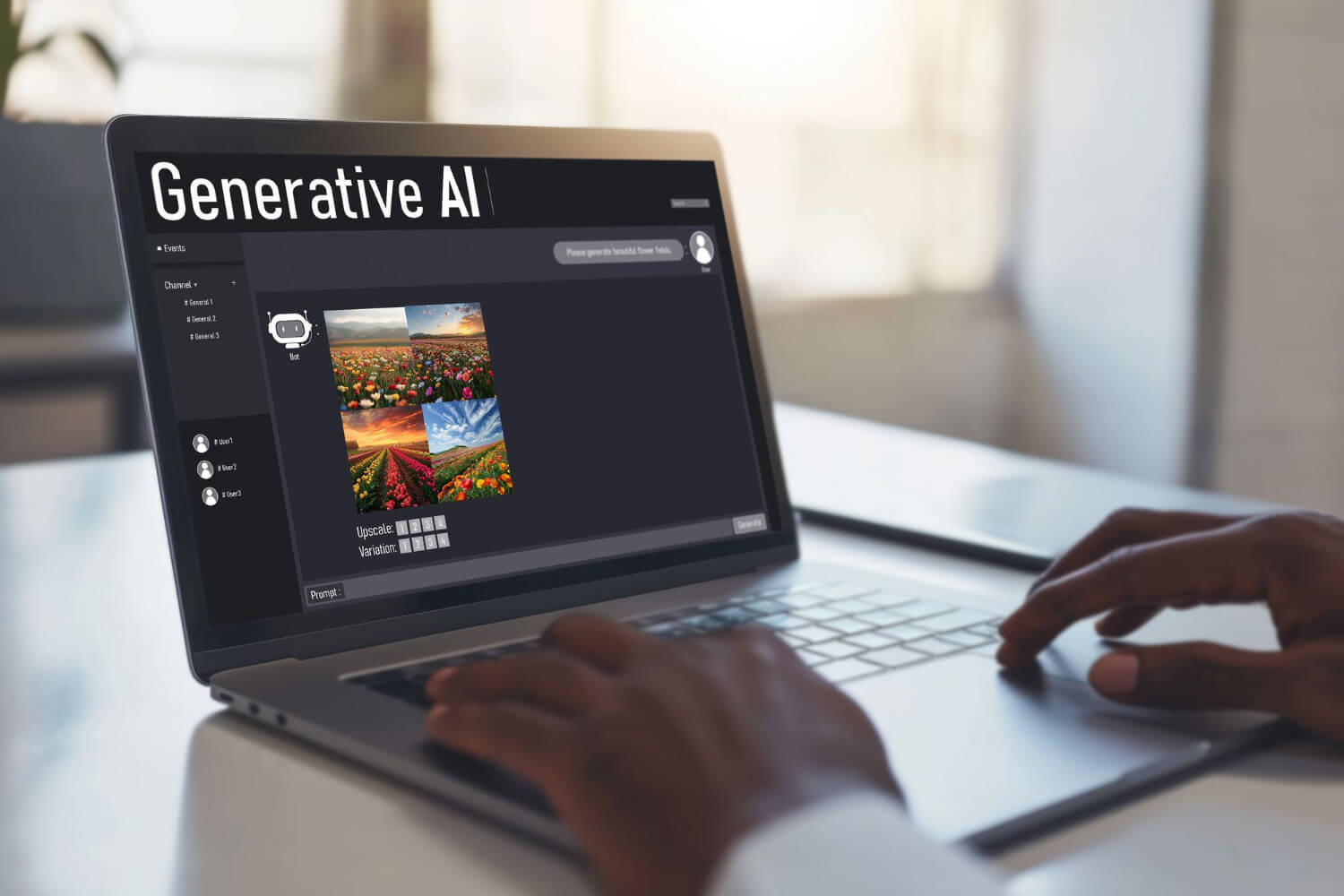
A recent article by Fiddery (blog.fiddery.com) highlighted several restaurants using AI-generated menu images that featured distorted food photography and unrealistic visuals. While the businesses were likely trying to save time and reduce design costs, many of the images had the opposite effect. Instead of making the food look more appealing, they raised questions about the quality of the restaurant itself.
The example is about restaurant menus, but the lesson extends far beyond the food industry. As AI becomes more accessible, businesses are using it to create logos, social media graphics, advertisements, websites and other customer-facing content. The question is not whether businesses should use AI. It is whether they should rely on it without human oversight.
Why Businesses Are Choosing AI
The appeal is easy to understand.
Small businesses often work with limited budgets and tight timelines. Marketing and design compete with more immediate priorities like payroll, inventory and daily operations. AI tools promise a faster alternative by generating visuals in minutes without hiring a designer or waiting through multiple rounds of revisions.
For many business owners, this is a practical decision rather than a careless one. They are looking for ways to move quickly while keeping costs under control.
The challenge is that generating an image is not the same as creating effective design. AI can produce something that looks polished, but that does not always communicate the right message or create confidence in the business behind it.
When AI Gets It Wrong
Some AI-generated images look convincing at first glance. Others do not.
Food photography is one of the clearest examples, since AI often creates dishes with unrealistic textures, unusual lighting or distorted ingredients. The same problem shows up in product photography, retail signage, professional headshots, storefront graphics and website imagery, wherever small visual inconsistencies are easy for customers to notice. Customers may not immediately recognize that AI created the image, but they often notice when something feels unnatural. These details may seem small, but they shape how people perceive a business before they ever make a purchase or speak with an employee.
First impressions matter. If a business presents itself with visuals that feel rushed, inconsistent or artificial, customers may begin questioning the quality of everything else the business offers.
AI Is a Tool, Not a Replacement for Design
None of this means businesses should avoid AI.
AI is an excellent tool for brainstorming ideas, exploring creative directions, generating early concepts and speeding up repetitive tasks. Used well, it helps businesses move faster and gives designers a stronger starting point.
Problems arise when AI output is treated as the finished product.
Good design involves more than creating an attractive image. It requires thoughtful decisions about readability, clarity, audience expectations and how a business wants to present itself. Those decisions depend on context, experience and judgment. AI can assist with the work, but it cannot reliably make those decisions on its own.
A Better Approach
Businesses do not have to choose between expensive custom design and fully AI-generated content.
The strongest results often come from combining both.
AI can help generate ideas, draft layouts and speed up production. Human expertise can then refine those ideas, correct issues and make sure the final result supports the business rather than undermining it.
Before publishing AI-generated design, it helps to ask a few simple questions.
- Does this image represent a real product, service or location?
- Will customers see this before interacting with the business?
- Could poor design reduce confidence in the business?
If the answer to any of these questions is yes, it is worth having someone with design experience review the work before it goes live.
The Real Opportunity
The restaurant menus highlighted in Fiddery's article are only one illustration of a much larger trend. Similar issues can appear anywhere AI-generated visuals are used without careful review, from websites and advertisements to product images and printed marketing materials.
The businesses that will benefit most from AI are not the ones replacing designers. They are the ones using AI to work faster while relying on human judgment to make the decisions that matter most.
Design has always influenced how customers judge a business. AI has made creating content easier, but it has not made good judgment any less valuable. Businesses rarely lose credibility because they use AI. They lose credibility when AI replaces thoughtful decision making instead of supporting it.
Interested in learning how to navigate AI in order to grow your business? Get in touch today and let's explore how to take your business to the next level with AI, without losing credibility.
Source / Further Reading
Fiddery Blog (Businesses with Ugly AI Menu Redesigns)
https://blog.fiddery.com/businesses-with-ugly-ai-menu-redesigns/
Related Blogs




Get the partner you've been waiting for.
Have a new project coming through the pipeline?
Tell us all about it and we’ll show you why we’re the right choice.